Clearing Timed to Prevent Ice Bonding
Snow Removal in Belgrade for properties where heavy snowfall and rapid refreeze create unsafe access conditions
Belgrade's heavy snowfall and rapid refreeze cycles bond snow to pavement between clearing events, creating ice layers that cannot be removed without damaging surfaces or requiring chemical treatment that accelerates concrete deterioration. Anderson Fencing Solutions provides residential and commercial snow clearing across Downtown Belgrade, Bozeman, and Big Sky, using route timing and surface-specific clearing methods that prevent ice bonding rather than reacting after surfaces become impassable. Single-event response after storms end leaves properties with compacted snow that refreezes into ice during overnight temperature drops, requiring multiple return visits and aggressive removal methods that proactive clearing prevents.
Snow removal here involves clearing schedules timed to prevent accumulation thresholds where compaction and refreezing begin, equipment selection matched to surface type and snow conditions, and route sequencing that prioritizes properties where traffic patterns compact snow quickly. Commercial parking lots require different clearing approaches than residential driveways, while properties with steep grades or limited turnaround space need specialized equipment and techniques.
Schedule seasonal snow removal service to maintain safe access throughout winter without ice buildup.
How Proactive Clearing Prevents Ice Problems
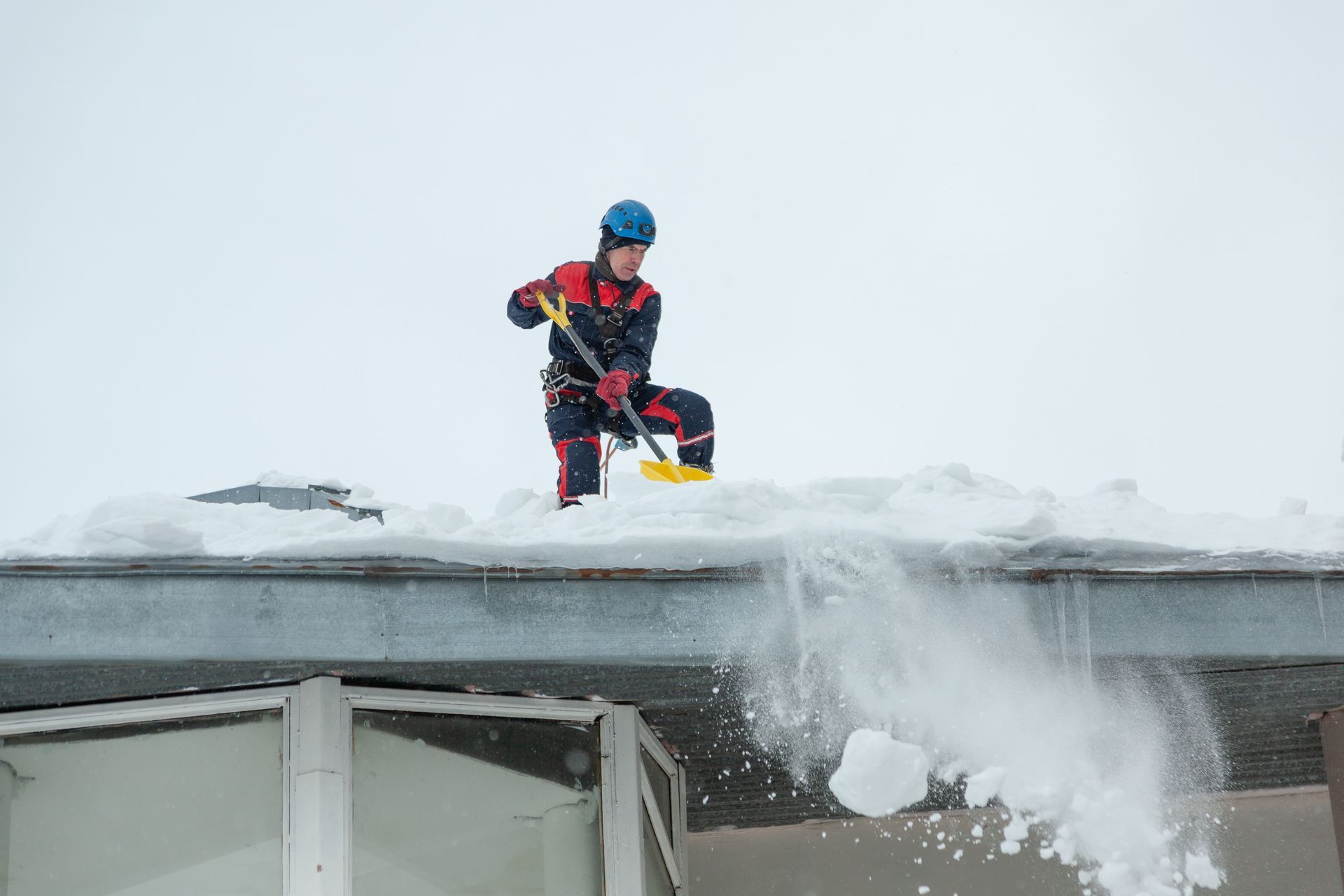
Clearing snow before it reaches compaction depth prevents the ice bonding that occurs when vehicle traffic compresses snow into dense layers that refreeze into ice during temperature drops. Route timing accounts for storm progression and temperature forecasts, clearing properties during or immediately after snowfall rather than waiting for accumulation to stop, which allows additional snow to fall on already-compacted base layers. Surface-specific methods adjust blade pressure, clearing angle, and equipment type based on whether surfaces are asphalt, concrete, or gravel, preventing damage while removing snow down to pavement level.
You will notice parking lots and driveways that remain clear and accessible throughout winter without developing the ice layers that require chipping, chemical treatment, or weeks of warm weather to remove completely. Properties serviced with proactive clearing maintain safe pedestrian and vehicle access during and after storms, without the black ice and compacted snow problems that develop when clearing is delayed until after storms end.
Property size, traffic volume, and access timing requirements all affect clearing schedules and service frequency. Commercial properties requiring early morning access need overnight or pre-dawn clearing, while residential properties with flexible timing can be serviced on route schedules that optimize efficiency across multiple properties in the same area.
What Property Owners Usually Ask
Property owners evaluating snow removal services typically ask about response timing, how proactive clearing differs from post-storm service, and what prevents ice buildup when temperatures drop between clearing visits.
What does proactive snow removal mean in practice?
Proactive removal clears snow during storms or immediately after accumulation reaches depth thresholds where compaction begins, preventing the dense base layers that refreeze into ice rather than waiting until storms end and snow has been compacted by traffic or temperature cycling.
How often do properties need clearing during heavy snowfall periods?
Clearing frequency depends on snowfall rate and temperature patterns, with properties often requiring service every four to six hours during heavy storms to prevent accumulation exceeding compaction thresholds, while lighter snowfall may only need once-daily clearing.
What causes ice to form even after snow is removed?
Ice forms when residual snow melts during daytime temperature rises or from ground heat, then refreezes overnight, or when snow is compressed into dense layers before clearing and refreezes into bonded ice that cannot be removed without damaging pavement surfaces.
When should I arrange seasonal snow removal service?
Seasonal contracts are typically established in late fall before the first significant snowfall, allowing route planning and equipment allocation that ensures timely service once winter weather begins rather than trying to secure service after storms have already created access problems.
How does snow removal equipment avoid damaging driveways and parking lots?
Blade pressure and clearing angle are adjusted based on surface type and condition, with lower pressure and shallow angles used on asphalt and decorative concrete to prevent gouging, while adjustable skid shoes maintain proper blade height above pavement surfaces throughout the clearing process.
Anderson Fencing Solutions provides snow removal across residential and
commercial properties in Belgrade, Bozeman, and Big Sky, using clearing schedules designed to prevent ice bonding through Montana's refreeze cycles. Request a property assessment to discuss clearing frequency and route timing for your access requirements.