Structures Designed for Real Montana Winters
Cabin Building in Belgrade for recreational properties that experience deep snow, hard freezes, and shoulder season occupancy
A cabin that handles deep snow and hard freezes requires framing and weatherproofing decisions made specifically for Montana's alpine conditions, not just aesthetic choices that look appropriate for mountain settings. Montana's recreational land market drives demand for cabins built to withstand significant snow accumulation, maintain structural integrity through freeze-thaw cycles, and remain weathertight during shoulder season use when occupants are not present to monitor for leaks or ice damming. Anderson Fencing Solutions builds custom cabins for properties along the Gallatin River, Gallatin Gateway terrain, and Helena-area mountain locations, using construction methods engineered for real winters rather than summer weekend getaways.
Cabin construction involves roof systems designed for Montana's snow load zones, wall assemblies that prevent moisture accumulation during seasonal temperature swings, and weatherproofing details that stop wind-driven snow infiltration at vulnerable penetrations. Foundation design accounts for frost depth and drainage patterns specific to mountain terrain, while framing choices accommodate the structural loads created by extended snow accumulation on roofs and decks.
Arrange an on-site consultation to review snow load requirements and weatherproofing specifications for your mountain property.
How Montana Conditions Affect Construction Decisions
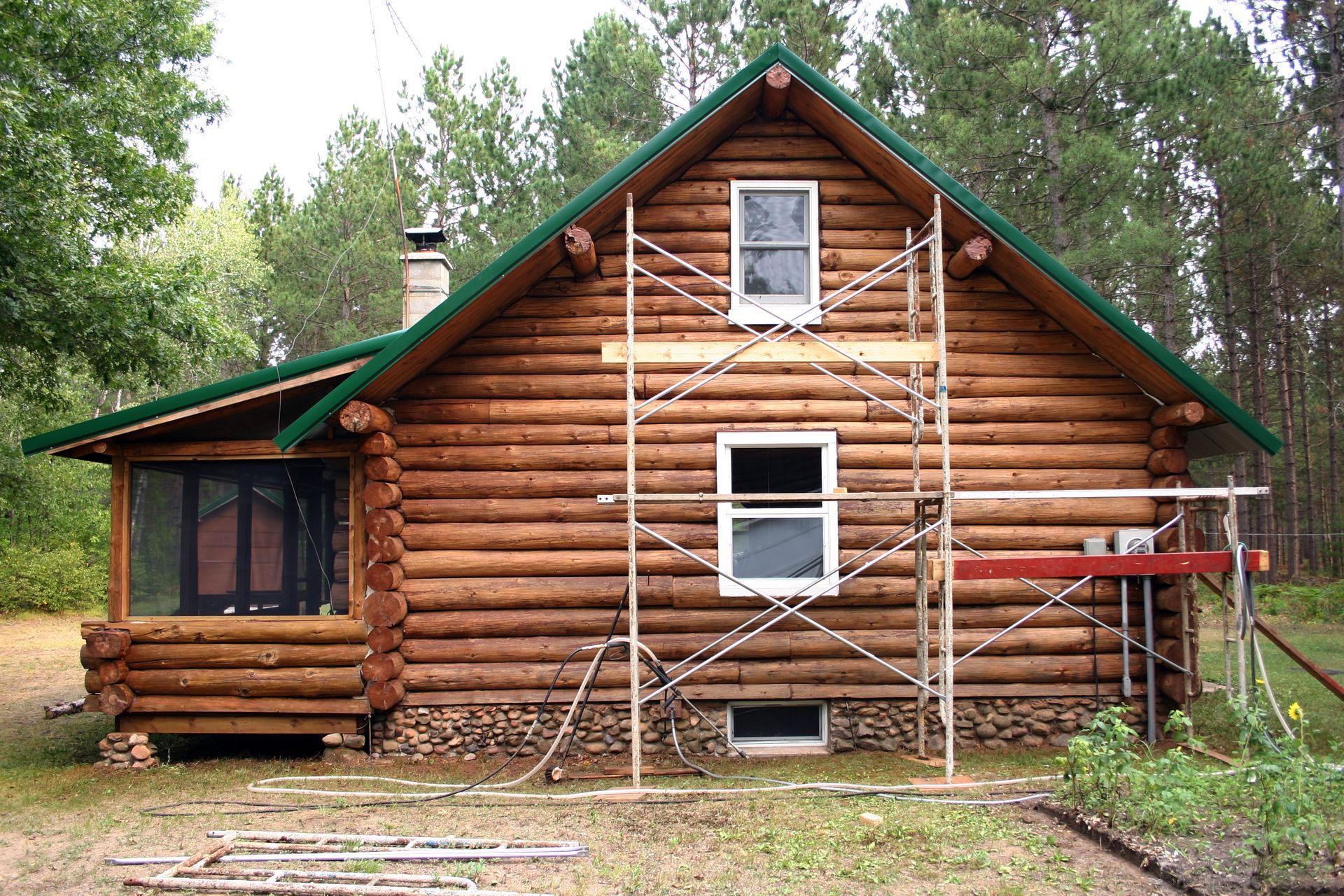
Snow load calculations determine roof pitch, truss spacing, and sheathing thickness before the first board is cut, while freeze-thaw cycles dictate foundation depth and drainage routing to prevent frost heave and ice accumulation around the structure. Weatherproofing details address the wind-driven snow that infiltrates through standard flashing and trim details used in milder climates, requiring additional sealing and coverage at roof-to-wall transitions, window rough openings, and penetrations for vents or utilities.
You will notice roofs that shed snow without excessive buildup or ice damming, wall assemblies that remain dry during temperature swings between occupied and unoccupied periods, and foundations that stay level through multiple freeze-thaw cycles. Cabins built for Montana winters function reliably even when unoccupied for weeks during the coldest months, without developing moisture problems or structural stress from snow accumulation.
Site access, seasonal construction windows, and intended occupancy patterns all affect material selection and construction sequencing. Properties with limited winter access require different weatherproofing and heating strategies compared to year-round accessible sites, while cabins used only during summer months need different moisture management approaches than structures occupied during hunting season or winter recreation periods.
Answers to Frequent Service Questions
Property owners planning cabin construction typically ask about structural requirements for mountain conditions, construction timelines around Montana's weather windows, and what separates cabins built for aesthetics from those engineered for durability.
What roof design works best for cabins in mountain terrain?
Steeper roof pitches between 6:12 and 10:12 shed snow more effectively than shallow pitches, while truss spacing and sheathing thickness are calculated based on local snow load zones that vary significantly between valley floors and higher elevations.
How does seasonal occupancy affect cabin construction?
Cabins occupied year-round require continuous vapor barriers and heating systems that prevent freeze damage to plumbing, while seasonally occupied structures need ventilation strategies that prevent moisture accumulation during unoccupied periods and framing that tolerates wider temperature swings.
When is the best time to build a cabin in the Gallatin Valley?
Foundation work and framing are typically scheduled between late spring and early fall, allowing concrete to cure properly and exterior envelope completion before winter weather, though interior finishing can continue through winter months once the structure is weathertight.
What weatherproofing details matter most in Montana's alpine conditions?
Ice and water barrier coverage extending beyond standard minimums, continuous air sealing at wall-to-roof transitions, and properly lapped flashing at window and door openings prevent the wind-driven moisture infiltration that causes the majority of cabin weatherproofing failures in mountain environments.
How much does it cost to build a cabin on recreational land?
Construction costs vary based on site access, foundation requirements, finish level, and distance from material suppliers, with remote mountain sites requiring additional budget for equipment mobilization and extended material hauling compared to properties near established road networks.
Anderson Fencing Solutions builds cabins across mountain properties and recreational land throughout the Gallatin Valley and surrounding areas, using framing and weatherproofing methods designed for Montana's snow loads and freeze-thaw cycles. Request a property evaluation to discuss structural requirements and construction timelines for your recreational land.