Fences Built to Handle Montana Winters
Fence Installation in Belgrade for properties dealing with frost heave, heavy snowpack, and Montana's freeze-thaw cycles
Montana's frost depth drops well below thirty inches in the Gallatin Valley, and heavy snow loads throughout winter place consistent lateral pressure on every fence line. Anderson Fencing Solutions installs fences for residential, ranch, and commercial properties across Belgrade, where post depth and backfill decisions determine whether your fence survives the first spring thaw or leans by April. You'll see the difference in how deep posts are set and what backfill material goes around them—both chosen specifically for local soil conditions and documented frost lines in this region.
Proper fence installation here means setting posts below the frost line and selecting backfill that drains correctly during freeze-thaw cycles, preventing the heaving that tilts sections and cracks posts each spring. The spacing, bracing, and concrete cure time all change based on whether your property sits in compacted clay, rocky soil, or the mixed conditions common across the valley.
Schedule a property evaluation to determine the correct post depth and material specifications for your site.
What Proper Fence Installation Requires in Montana
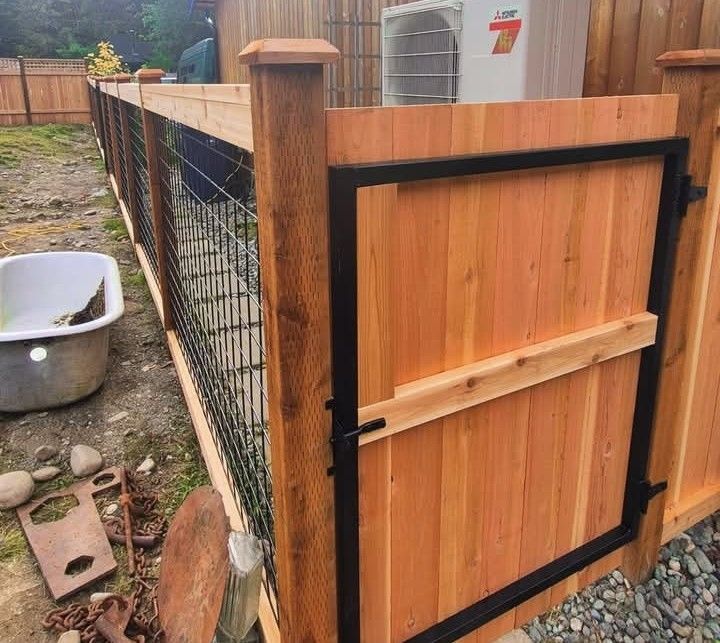
Installation begins with soil analysis and frost depth verification for your specific location, followed by post hole excavation that accounts for both depth and diameter requirements needed to resist Montana's freeze-thaw movement. The concrete mix and cure schedule adjust based on ambient temperature, and backfill selection changes depending on drainage characteristics observed on-site.
Once the installation is complete, you'll notice fence sections remain plumb through winter and into spring, with no tilting or panel separation caused by frost movement. Gates operate smoothly without binding, and corner posts stay rigid under tension because the footing was sized correctly from the start.
The installation process also accounts for snow load on horizontal rails and panels, which varies significantly depending on your elevation and exposure within the Gallatin Valley. Anderson Fencing Solutions selects post spacing and rail gauge based on the expected load for your specific site, not a generic standard imported from lower-altitude climates.
Questions Before Starting Your Project
Property owners in the Gallatin Valley typically ask about installation timelines, material performance in local conditions, and what determines whether a fence holds up long-term in Montana's climate.
How deep do fence posts need to be set in Belgrade?
Posts must extend below the local frost line, which varies between thirty and forty inches depending on your exact location and soil type, with deeper settings required in areas with heavy clay content that retains moisture during freeze cycles.
What type of backfill prevents frost heave in Montana?
Gravel backfill around the concrete footing allows drainage during thaw periods, reducing the hydraulic pressure that lifts posts when saturated soil freezes and expands each winter.
How long does concrete need to cure before installing fence panels?
Cure time extends in cold weather, and rushing panel installation before the concrete reaches sufficient strength leads to post movement under load, particularly when snow accumulates on horizontal surfaces.
What causes fence sections to lean after the first winter?
Insufficient post depth, inadequate concrete volume, or non-draining backfill all contribute to frost heave, which physically lifts and tilts posts as frozen soil expands beneath the footing during winter months.
When is the best time to install a fence in the Gallatin Valley?
Late spring through early fall allows proper concrete curing and soil compaction, though installations can proceed in winter with adjusted concrete mix and extended cure schedules to account for lower temperatures.
Anderson Fencing Solutions operates locally in Belgrade and applies Montana-specific installation standards to every project across the Gallatin Valley. Request a site consultation to review soil conditions and determine the correct installation approach for your property.